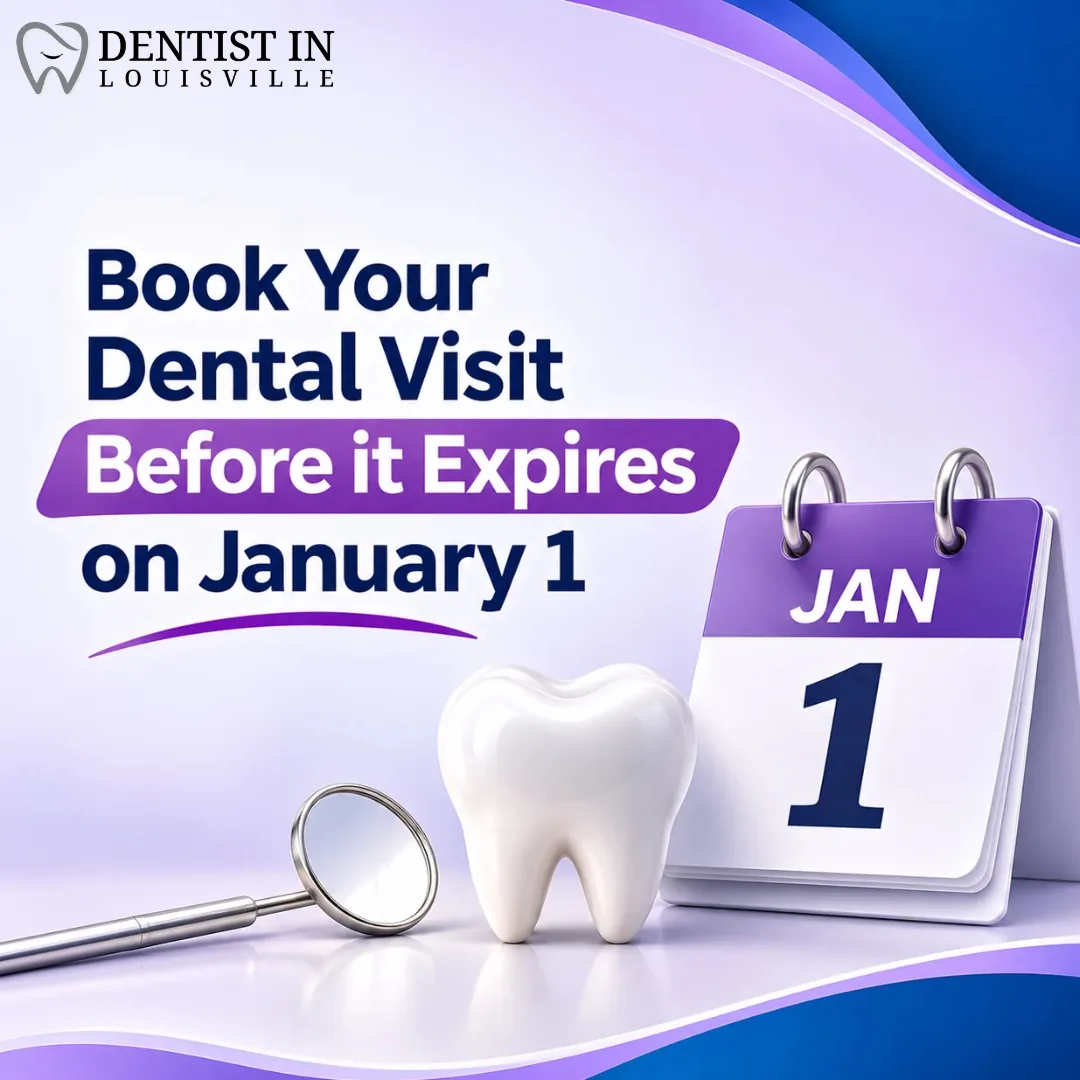
A planned cleaning can slip off the calendar, especially near the end of the year. But many dental insurance plans reset their yearly benefits on January 1, and unused amounts often do not carry over. That can mean lost dental insurance benefits.
A quick check of the plan can help a person book care before the deadline. This guide explains what benefits may cover, which visits to plan, and what to bring. A little planning can pay off.
Why should you hurry to book that dental visit before January 1? Those benefits from your dental insurance may vanish if you don't act fast.
Patients often find that a quick review of their plan helps them get more value from dental insurance. A patient can check which services the plan covers and schedule needed care before the plan year ends. This can help them make better use of the benefits of dental insurance.
Some dental plans reset unused benefits on January 1. A person who delays needed care may lose access to part of the coverage they had that year. For example, someone might put off a filling, then learn that their old benefit no longer applies. The rules vary by plan, so it helps to understand how dental benefits work.
Dental insurance can seem tricky at first. It often comes with limits and rules that are hard to follow. Most plans have a set amount they pay each year. If you don’t use it, you might lose what’s left when the year ends.
During a benefits check, a patient can compare the plan’s yearly limit with claims already paid.
| Plan detail | What it means |
|---|---|
| Annual maximum | The most the plan may pay for covered care in one benefit year. |
| Benefits used | Paid claims count toward the yearly limit. |
| Limit reached | The patient may owe costs above the cap. |
| Plan year | Check the reset date. It may differ from January 1. |
| Example | $1,500 limit minus $900 in paid claims leaves up to $600, subject to plan rules. |
Unused dental benefits disappear at the end of the year. Many people do not use all their coverage, and that can lead to wasted money. For example, if someone has a benefit plan that allows for two cleanings a year and only uses one, they lose that second cleaning when January 1 arrives.
Insurance plans reset each year. Any leftover funds vanish as well. This means it's smart to use benefits before they expire. Booking an appointment now could save money in the long run.
Scheduling time with a dentist is key to taking full advantage of what insurance offers. Next up are different types of dental procedures one can schedule for optimal health.
People can choose from many types of dental procedures. Regular cleanings and check-ups help keep smiles bright and healthy. If someone has a cavity, they might need fillings or extractions to fix it.
More serious issues may call for crowns or root canals. Each procedure plays a part in maintaining good oral health, so planning these visits is key.
Preventive care is key to keeping teeth healthy. Regular cleanings and exams catch problems early. During a cleaning, a dentist removes plaque and tartar from teeth. This helps prevent cavities and gum disease.
Exams check for any signs of trouble. Dentists look at teeth, gums, and even the mouth's soft tissues. Finding issues early means less pain and expense later on. Scheduling these visits can lead to a healthier smile for years to come.
Fillings fix cavities. These are small holes caused by decay. A dentist cleans the area and fills it with a material like resin or metal. This helps restore function and stops further damage.
Extractions involve removing teeth that cannot be saved. Sometimes, a tooth is too damaged or crowded to stay in place. The dentist carefully removes it to protect overall oral health. Both procedures help maintain a healthy smile and prevent bigger issues down the line.
Moving on from basic procedures, some dental issues require major treatments. Crowns and root canals are two common examples.
Crowns fix damaged teeth. They cover the entire top of a tooth, bringing back its shape and strength. This helps protect it from further damage. Root canals treat infected tooth pulp.
The dentist removes the infected tissue, cleans the area, then seals it to save the tooth. Both treatments help keep teeth healthy and prevent more serious problems later on.
Patients often feel nervous about these procedures, but dentists use numbing agents to ease discomfort. Many people find they feel much better after treatment is done and enjoy improved dental health as a result!
Scheduling your appointment early is key. Call the dentist’s office soon to grab a spot before the rush hits.
People should reach out to their dentist early. This helps secure an appointment before the New Year rush.
Getting in touch early sets up a smooth visit before benefits expire on January 1!
Scheduling that dental appointment is important. Knowing your insurance details helps a lot.
Being informed empowers individuals to make better choices about their dental care and coverage usage before January 1 hits!
Getting an appointment before the year ends can be tricky. Many people are on the hunt for dental care as January 1 approaches.
People often overlook their dental needs in the busy holiday season, but it’s crucial to take action now for proper care and savings on dental expenses.
When heading to the dentist, don't forget your insurance card and any medical updates.
Bringing the right documents can make a dental visit go smoothly. Patients should gather important items before heading to their appointment.
Being prepared will make the visit easier and more efficient for everyone involved, helping patients get the care they need without hassle!
Updated medical information helps your dentist provide the best care. It keeps everyone safe and informed.
Being open about medical information builds trust with the dentist and leads to better care overall. Being upfront benefits both parties, making visits smoother and more effective.
Many dental insurance plans reset on January 1. Unused benefits may not roll over, so book your visit before the year ends if you need care.
Your plan may include an annual maximum, covered cleanings, or other dental benefits. Check your plan details, since coverage rules vary.
Call your dentist soon. The office can help plan your care and find dates before January 1. Earlier is better, since calendars fill fast.
Call your insurance company or review your plan online. Ask about your annual maximum, any costs you still need to pay, and whether your visit is covered.
Ready to talk to a dentist in Louisville, KY?
Tell us a little about what you need — we'll be in touch shortly.
6826 Bardstown Road, Louisville, Kentucky, 40291, USA
Hi! I'm Tooth fairy! Your AI Assistant Ask me anything