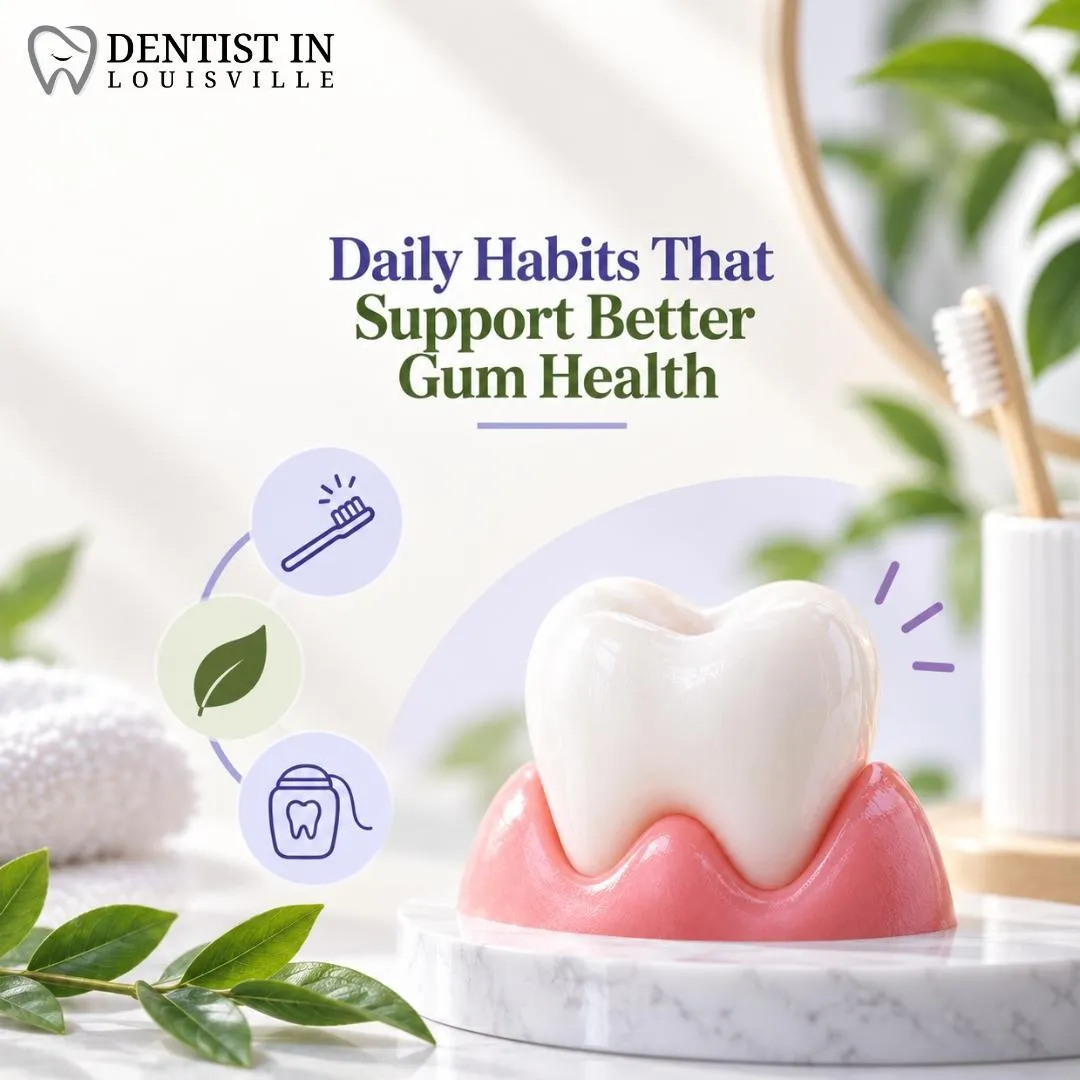
Many people wake with sore or bleeding gums. They may notice bad breath or a film of plaque. These signs often point to weak Gum Health. The reader wants clear ways to fix this. The tone stays casual and helpful.
Daily habits can stop and reverse early gum problems. Brushing twice a day with fluoride toothpaste is key for preventing gingivitis.
It will explain dental care products, nutrition for periodontal health, plaque control, and other preventive measures. It will also cover regular checkups and stress management.
To keep gums healthy, individuals should follow a few daily practices. Consistent brushing and flossing can significantly reduce the risk of gum disease.
Brush teeth twice a day with fluoride toothpaste. This habit is vital for gum health and helps prevent gingivitis. Use gentle, circular motions while brushing to clean all surfaces of the teeth. Aim for at least two minutes during each session. Floss daily to fight gum disease and reduce bleeding gums. Slide the floss between teeth gently, making sure not to snap it against the gums.
Daily oral care routines play a significant role in maintaining healthy gums. Consistent brushing and flossing help keep gums strong, pink, and free from disease. Regularly cleaning prevents common issues such as cavities, bad breath, and gum disease while supporting overall health too.
Using the right dental care products can make a big difference for gum health. Healthy gums need proper tools and ingredients. Fluoride toothpaste helps fight cavities and gingivitis; using it twice daily is essential. Choosing a soft-bristle toothbrush protects gums from damage while removing plaque effectively.
Daily flossing with the right technique prevents gum disease and reduces bleeding. Floss picks or water flossers may be easier for some people. Finding products that fit personal preferences matters too, as consistent use leads to better results.
Monitoring food labels also aids in controlling sugar intake, which supports healthy gums by reducing harmful effects from sugary foods like yogurt or sports drinks. With the right dental care routine, individuals can develop strong, pink, disease-free gums over time.
Healthy gums thrive on a nutritious diet. Eating fiber-rich fruits, vegetables, lean proteins, and whole grains supports improved gum health and helps prevent disease. Foods like apples, carrots, and broccoli can stimulate saliva production; this natural process helps clean the mouth. Lean proteins provide essential nutrients for tissue repair, while whole grains contribute to overall oral well-being.
Controlling sugar intake also plays a crucial role in gum support. Checking food labels keeps sugary foods in check. Snacks that are high in sugar can harm gum health over time. A healthy balance of these daily habits contributes to maintaining strong gums and prevents common issues such as gingivitis or cavities. Healthy eating is an important part of daily habits that support better gum health.
Tobacco use harms gum health. It increases the risk of gum disease and promotes conditions like gingivitis. Quitting tobacco can help improve gums over time. Limiting sugary foods is equally important for healthy gums.
Sugar fuels bacteria that cause gum problems. Checking food labels helps control sugar intake. Many seemingly healthy items, like yogurt and sports drinks, contain hidden sugars that can damage gums. Maintaining gum health requires regular dental checkups and cleanings to catch any issues early on.
Regular dental checkups and cleanings help keep gums healthy. People should monitor changes in their gums. Stress can impact oral health, so managing it is crucial. Discover how these factors contribute to gum wellness!
Dental checkups and cleanings play a crucial role in maintaining gum health. Scheduling these visits helps people catch potential issues early. Dentists can identify signs of gingivitis before it escalates into more serious gum disease. Professional cleanings remove plaque and tartar that regular brushing might miss, ensuring cleaner gums and teeth.
Patients often report feeling relieved after their dental appointments. They appreciate the assurance that comes from knowing their gums are healthy or understanding how to improve them.
Maintaining this habit strengthens overall oral health by preventing cavities, bad breath, and other problems before they arise. With consistent care, individuals can enjoy vibrant, pink gums that reflect their commitment to good hygiene practices as they monitor changes in their gum health over time.
Daily habits play a vital role in monitoring changes in gums. Healthy gums should look strong, pink, and disease-free. Regularly checking for any swelling, redness, or bleeding can help spot issues early. If someone notices these signs, they should see a dentist soon.
Consistent brushing and flossing make it easier to maintain gum health. By following these routines daily, individuals can prevent conditions like gingivitis from developing or getting worse. Keeping track of any shifts in gum appearance or sensitivity keeps dental concerns at bay; this is important for overall well-being too.
After monitoring changes in gums, focus on managing stress. Stress can negatively impact oral health and gum conditions. People under stress may neglect oral hygiene routines like brushing and flossing. This neglect can lead to gingivitis, which often reverses with consistent daily care.
Stress also triggers habits that harm gums. Many individuals grind their teeth or clench their jaws during stressful times. These actions increase wear on teeth and may contribute to gum disease.
To combat this, practicing relaxation techniques can help maintain both mental well-being and gum health. Taking time for self-care improves overall dental hygiene as well.
Brush twice a day with toothpaste. Floss once a day. Rinse with mouthwash when needed. These steps remove plaque and bacteria. They cut the chance of gum disease and bleeding gums.
Eat fruits, vegetables, lean protein, and drink water. Sugary and sticky foods feed bacteria and harm gums. Staying hydrated helps saliva wash away food and plaque.
See a dental professional every six months, or as advised. Cleanings remove plaque that daily habits miss. Exams catch gum disease early.
Yes, tobacco weakens gum tissue and raises bacteria levels. Stress can slow healing and raise the risk of gum disease. Quit tobacco and use stress tools to protect your gums.
Ready to talk to a dentist in Louisville, KY? Learn more about periodontal treatment in Louisville, routine tooth checkup, dental cleaning and prevention and periodontists, or get in touch below.
Tell us a little about what you need — we'll be in touch shortly.
6826 Bardstown Road, Louisville, Kentucky, 40291, USA
Hi! I'm Tooth fairy! Your AI Assistant Ask me anything