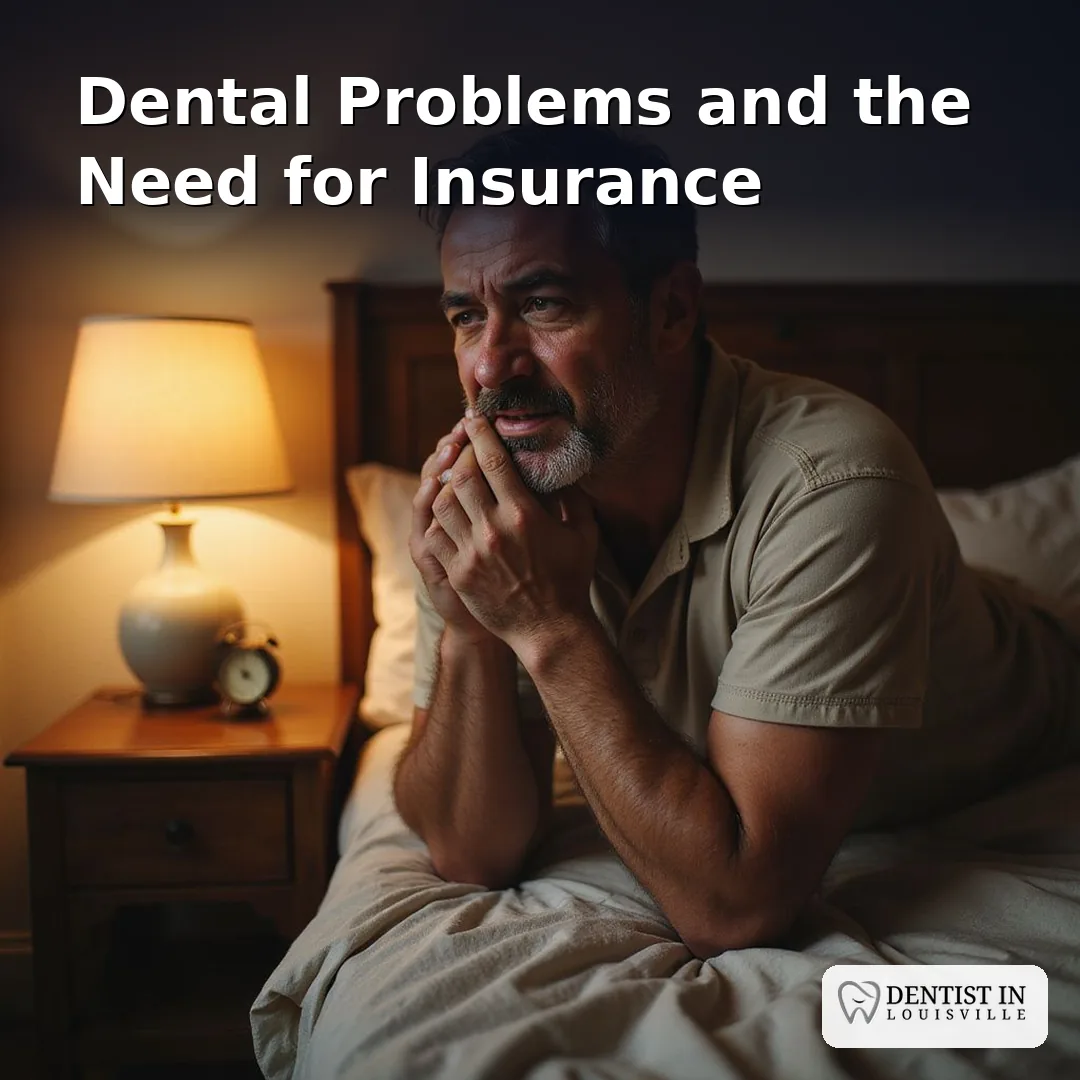
Tooth pain wakes many people at night. They worry about bills, and they fear getting worse. They look for a dentist, and they want clear answers fast.
Nearly half of adults delay dental care because of cost, this can lead to bigger health problems. Dental insurance can cut costs for checkups, fillings, and bigger work. This post will show what problems to watch for, how insurance helps, and how to pick a plan that fits.
Common dental problems can be a real headache. Tooth decay and gum disease are more common than people think, and they can lead to serious issues if left alone.
Bacteria eat sugars left on teeth, they make acid, and acid wears enamel. People spot dark spots, holes, or tooth pain. A dentist finds decay early, and fixes it with a filling. Dental insurance helps cover checkups, and it can lower out of pocket costs.
Small cavities stay simple, large ones hurt, and some need roots or crowns. Treatment moves from repair to rescue, and bills can climb fast without help. Regular exams catch problems, they save teeth and money.
Left untreated, decay can reach gums, and that connects directly to gum disease.
After tooth decay, gum disease can follow, as plaque moves under the gum-line and causes inflammation. Signs include red, swollen gums, bleeding while brushing, bad breath, and loose teeth.
Almost half of adults over 30 show some gum disease, according to CDC data. One patient recalled bleeding gums and a loose molar, and they sought care after the pain grew worse.
Early cleaning and regular checkups stop progression. Dentists clean plaque below the gum-line, prescribe antibiotics for severe cases, and offer scaling and root planning. Many insurance plans cover routine cleanings and partial costs for deeper treatments. A quick visit can save teeth, and save money later.
A knocked-out tooth needs quick action, and patients often act fast. One patient described a bike crash, the tooth stayed moist in milk for 45 minutes, and the dentist re-implanted it successfully, which changed the outcome. Small chips or cracks hurt, but quick care can save a tooth, and a simple crown or bonding often restores function and looks.
Tooth loss from decay or injury can affect eating, speaking, and confidence. A person who lost a molar felt sharp pain and trouble chewing, and a bridge or implant brought back comfort within weeks. Emergency care, plus follow-up treatment, limits damage and cuts long term costs, so people should call a dental office right away.
Untreated dental problems can lead to serious health issues. They may cause pain, infections, and even heart disease. Plus, ignoring these problems can make treatment much more expensive later on. Taking care of your teeth saves you money and keeps you healthy in the long run.
Dental problems can lead to serious health issues. Poor oral health is linked to heart disease, diabetes, and respiratory infections. Bacteria from gum disease can enter the bloodstream. This may cause inflammation in other parts of the body. A simple toothache could be a sign of something bigger.
Disregarding dental care harms teeth and also impacts overall well-being. Individuals with untreated cavities may struggle with infections that spread beyond their mouth. Some might even face issues like difficulty swallowing or eating properly.
Taking care of dental health prevents these complications and promotes better overall health. Next comes financial consequences associated with neglecting dental problems.
Continuing from health problems, the cost side can hit the wallet hard.
| Key Point | Summary |
|---|---|
| Emergency visits | Untreated pain can lead to ER trips, which cost hundreds to thousands, and surprise bills arrive fast. |
| Progressing decay | Small cavities turn into root canals and crowns, costs rise, budgets shrink, stress grows. |
| Tooth replacement | Implants and bridges run into the thousands per tooth, patients often delay care, which adds more expense later. |
| Lost wages | Time off work for procedures or pain reduces income, recovery days add up, bills do not wait. |
| Out-of-pocket burden | Without coverage, families shoulder high fees, savings get used, debt becomes common. |
| Insurance offsets | Plans lower outlays for exams and fillings, they can share costs for major work, this eases short-term strain. |
| Real case | A patient faced a $4,200 implant bill, insurance reduced the charge to $1,200, the relief was immediate, the patient avoided credit debt. |
| Prevention pays | Regular cleanings cost little, they stop many large bills later, small steps save big dollars. |
| Plan fine print | Waiting periods and annual caps affect actual savings, reading terms matters, callers should ask specifics. |
| Budget strategy | Compare premiums, deductibles, and coverage limits, simple math can reveal real savings over a year. |
Dental insurance plays a big part in keeping smiles bright. It helps cover regular check-ups and important procedures, making dental care more affordable for everyone.
Dental insurance often covers preventive care. This helps people keep their smiles healthy and bright. Here are the key parts of this coverage:
Taking advantage of preventive care coverage is smart health behavior, not just for saving money but also for maintaining overall well-being.
Dental insurance is not just for regular check-ups. It can also help with major dental procedures.
Being aware of how dental insurance assists with major procedures is vital for anyone seeking treatment options. A little knowledge can go a long way in easing worries about costs and care in the future.
Choosing a dental insurance plan can feel like searching for treasure. Many options exist, so it is wise to consider what fits best. Look closely at the coverage offered. Some plans cover routine check-ups and cleanings fully, while others might only pay part of the costs. It helps to know how much you will pay for visits and procedures, too.
Individual needs vary greatly. A family may need more extensive coverage than someone needing basic care. For example, if members tend to have cavities or gum issues, selecting a plan that covers preventive treatments makes sense.
Comparing different policies side by side can clarify benefits and costs quickly; this way, one can find the right match without wasting time or money on unexpected bills later on. Understanding these details ensures better oral health choices down the line!
Cost matters when picking dental coverage, it affects care and wallet.
| Cost Factor | What to Expect | Savings Tips | Example Numbers |
|---|---|---|---|
| Monthly Premiums | People pay a monthly fee, to keep coverage active. | Compare plans, pick the balance of price and coverage. | $15 to $60 per month, most plans fall here. |
| Deductibles | A set cost, before insurance pays for treatments. | Choose a higher deductible to lower premiums, if able. | $0 to $150 per year, common ranges. |
| Co-payments and Co-insurance | Small fees at treatment, or percentage shares for procedures. | Look for low co-pays on cleanings, to save long term. | $10 to $50 per visit, or 10% to 50% for major care. |
| Annual Maximums | Plan caps limit yearly payouts, they restrict benefits. | Pick a higher cap, for major treatment risk, if budget allows. | $1,000 to $2,000 per year, typical limits. |
| Preventive Coverage | Cleanings and exams often cost little or nothing. | Use preventive visits, they catch problems early, save money. | Routine cleaning, often fully covered, twice yearly. |
| Major Procedures | Crowns, root canals, implants cost much more. | Ask about waiting periods, preauthorization, and payment plans. | Fillings $100 to $250, crowns $800 to $1,500, implants $3,000+. |
| Waiting Periods | Some plans delay coverage for major services. | Check start dates, to avoid surprise bills later. | Waiting periods, often 6 to 12 months for major work. |
| Network vs Out-of-Network | In-network providers lower costs, out-of-network raises bills. | Confirm a preferred dentist is in the network, before signing. | In-network, patient pay is lower by 20% to 50%. |
| Flexible Spending Accounts | Pre-tax money can pay dental bills, reducing net cost. | Use FSA funds for predictable treatments, to save on taxes. | Contributions vary, people save on taxable income. |
| Payment Plans | Many offices offer split payments, for costly care. | Ask about interest free options, and board-approved plans. | Installments over 3 to 12 months, common choices. |
Dental insurance offers more than just basic coverage. It can truly enhance one’s dental care experience.
Here are key factors to pick a plan.
| Factor | Summary Point |
|---|---|
| Coverage Types | Look at preventive, basic, and major care. Pick a plan that covers cleanings and X-rays, plus fillings and crowns if needed. |
| Premiums | Compare monthly costs. Lower premiums can mean higher out of pocket later, choose based on budget and likely needs. |
| Deductibles | Check the yearly deductible amount. Plans with low deductibles help when a big procedure is coming. |
| Annual Maximums | Watch for yearly caps on benefits. A low cap can leave a person paying steep bills after major work. |
| Waiting Periods | Ask about delay timers for certain services. Short or no waiting time helped a patient get needed work fast, and avoid pain. |
| Network and Providers | Check if preferred providers accept the plan. In-network care often costs less, and calls are simpler for billing questions. |
| Cost Sharing | Compare coinsurance and copays. Higher coinsurance means bigger bills for major procedures, so tally likely costs. |
| Exclusions and Limitations | Read the fine print for excluded services, like cosmetic work. Clear limits can save surprises at the office. |
| Orthodontic Coverage | Decide if braces or aligners should be covered. Some plans offer partial coverage, with age limits or lifetime caps. |
| Emergency Care | Confirm coverage for trauma or sudden pain, including after hours. Fast access can cut time in suffering, and out of pocket shock. |
| Claims Process | Test the insurer’s claim handling speed. Easy, online claims reduce headaches, and quick payouts help with cash flow. |
| Customer Support | Check reviews for service quality. Friendly help, that answers questions, makes decisions easier in stressful moments. |
| Flexibility | Compare plan options for life changes, like adding family members. Flexible plans keep coverage aligned with new needs. |
| Cost vs Benefit | Balance price with likely use. For someone with past issues, higher coverage may save money over time. |
| First-Hand Tip | A patient checked two plans and picked the one with no waiting on cleanings, saving time and money, and reducing anxiety. |
Watch for cavities, tooth decay, and gum disease. Look for tooth pain, bleeding gums, bad breath, and loose teeth. A small cavity can grow fast, like a leaky roof that gets worse with time. Back tooth pain is common, and so is a cracked tooth.
Dental costs add up fast. Insurance helps pay for cleanings, fillings, and bigger work. It cuts surprise bills for emergency dental care. Regular coverage makes dentist visits easier on your wallet, and it helps protect your oral health.
Most plans cover preventive care, like cleanings and X-rays. They often pay part of fillings, root canals, and crowns. Some cover braces or bridges, but not all do. Check if the plan covers emergency dental care, and what the yearly maximum is.
Compare premiums, coverage, and the list of dentists in the plan. Check wait times for major work, and read about limits and co-pays. If you have past dental issues, pick a plan that covers the work you need.
Ready to talk to a dentist in Louisville, KY?
Tell us a little about what you need — we'll be in touch shortly.
6826 Bardstown Road, Louisville, Kentucky, 40291, USA
Hi! I'm Tooth fairy! Your AI Assistant Ask me anything