Necrotising sialometaplasia is a benign, inflammatory condition of the salivary glands that is self-limiting in nature.
Although non-cancerous, it can closely resemble more serious oral conditions, which often leads to confusion and misdiagnosis.
At Dentist in Louisville, we focus on helping patients understand such conditions clearly so unnecessary anxiety and overtreatment can be avoided.
Necrotising sialometaplasia is a non-neoplastic inflammatory reaction of the salivary glands.
It most commonly affects the minor salivary glands of the palate and occurs due to ischemia, or reduced blood supply, within the salivary gland lobules.
Although benign, this condition can clinically and visually mimic squamous cell carcinoma, which is why accurate diagnosis is critical.
This condition typically presents as:
Possible contributing factors include:
Because of its appearance, patients may initially assume it is an infection or a serious malignancy.
Necrotising sialometaplasia most frequently affects the palate, but it can also occur in other salivary gland–bearing areas, including:
Rarely, similar changes have been reported in non-oral sites such as the lungs, skin, and breast.
Based on reported statistics:
In dental practice, necrotising sialometaplasia is usually evaluated by oral and maxillofacial surgeons or oral medicine specialists.
An incisional biopsy is performed to confirm the diagnosis and rule out malignancy.
Misdiagnosis can sometimes lead to unnecessary aggressive treatment, which is why biopsy confirmation is essential.
If a lesion does not heal within 3 months, a repeat biopsy and further medical consultation are recommended.
The condition is self-limiting and typically does not require active treatment.
Management involves:
Most cases resolve within 4–10 weeks without complications.
At Dentist in Louisville, we prioritize accurate diagnosis and evidence-based care.
If you notice a persistent ulcer, swelling, or painful lesion in your mouth, our team will guide you through appropriate evaluation and, if required, biopsy referral—ensuring clarity and peace of mind.
If you have oral symptoms that resemble those described above or have concerns about a non-healing oral lesion, book a consultation with Dentist in Louisville today.
Early evaluation prevents unnecessary treatment.
Necrotising sialometaplasia is a benign, self-limiting inflammatory condition of the salivary glands. It most commonly affects the minor salivary glands of the palate and occurs due to ischemia, meaning reduced blood supply, within the salivary gland lobules. Although non-cancerous, it can closely resemble more serious oral conditions.
No. It is a non-neoplastic inflammatory reaction, not a malignancy. However, it can clinically and visually mimic squamous cell carcinoma, which is exactly why accurate diagnosis matters so much. Confirming what the lesion actually is prevents both unnecessary alarm and the aggressive treatment that a mistaken cancer diagnosis could trigger.
It typically presents as a unilateral necrotic ulcer on the hard palate, often with firm and painful swelling that is sometimes fluctuant. The lesion may resemble a dental abscess, so patients frequently assume they have an infection or something serious. Local trauma, heavy smoking, and excessive alcohol consumption are possible contributing factors.
An incisional biopsy is performed to confirm the diagnosis and rule out malignancy, because the lesion can look like squamous cell carcinoma. Misdiagnosis can sometimes lead to unnecessary aggressive treatment, so biopsy confirmation is essential. In dental practice the condition is usually evaluated by oral and maxillofacial surgeons or oral medicine specialists.
The condition is self-limiting and typically does not require active treatment beyond supportive care and monitoring for healing. Most cases resolve within four to ten weeks without complications. If a lesion has not healed within three months, a repeat biopsy and further medical consultation are recommended to reassess the diagnosis.
Ready to talk to a dentist in Louisville, KY? Learn more about oral cancer screening in Louisville, or get in touch below.
Tell us a little about what you need — we'll be in touch shortly.
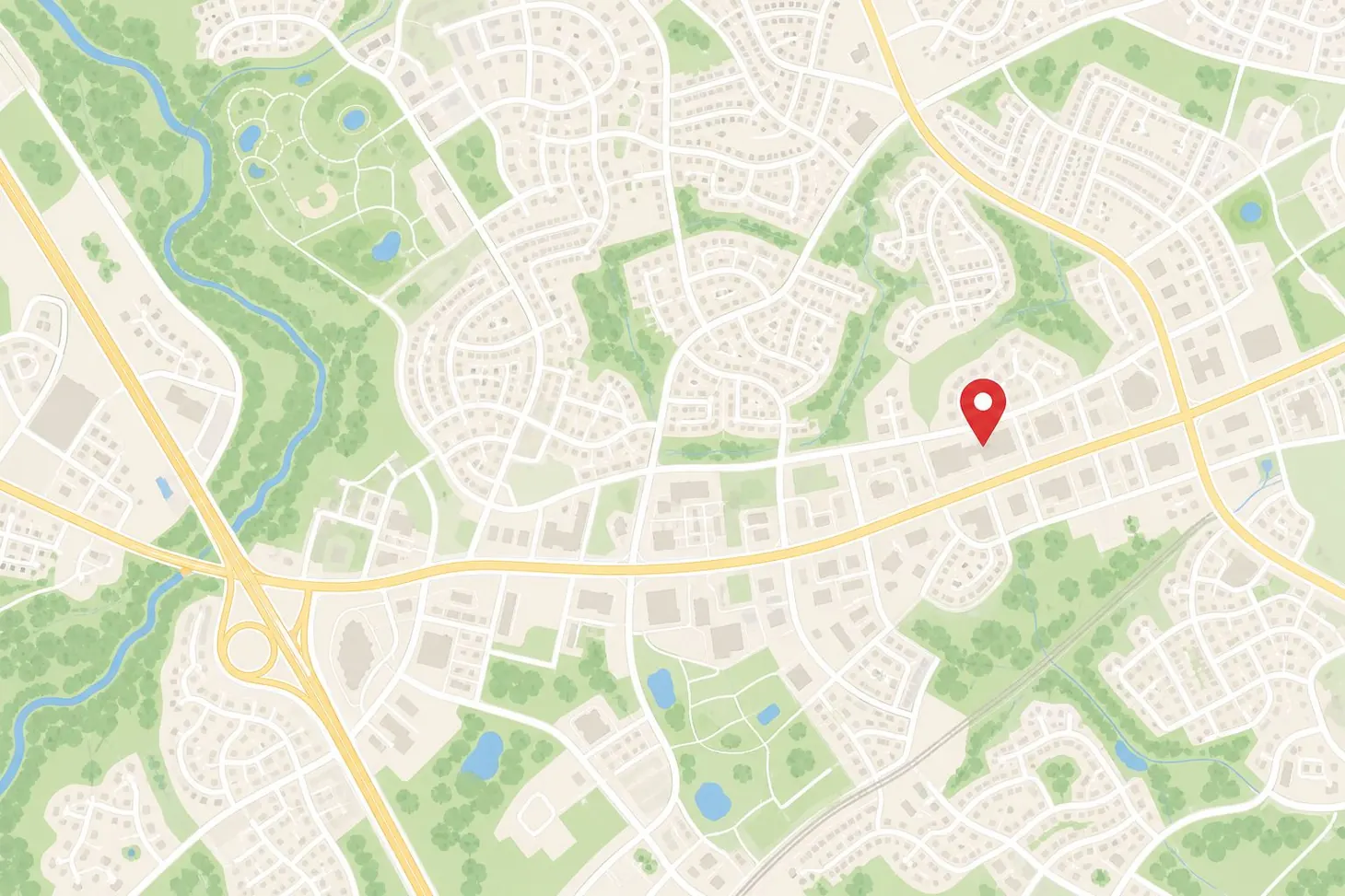
6826 Bardstown Road, Louisville, Kentucky, 40291, USA

Hi! I'm Tooth fairy! Your AI Assistant Ask me anything