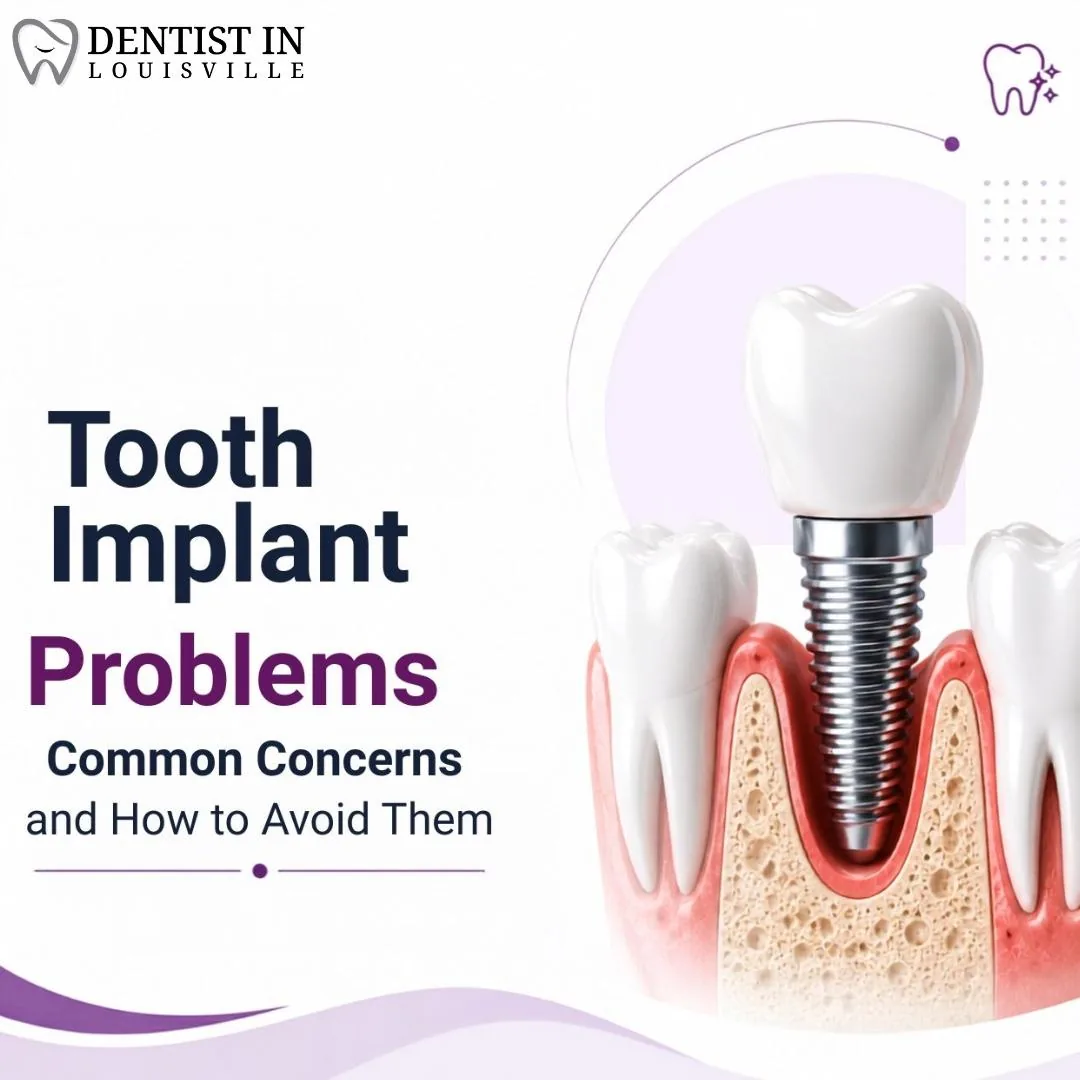
Many people face pain, swelling, or looseness after a dental implant. They want clear steps to avoid infection, nerve damage, and implant failure.
Periimplantitis, an infection around the implant, is a common problem. Damage to nearby teeth and tissue can happen during implant surgery. Here you will know about oral hygiene and proper aftercare.
Common problems and risks can arise with tooth implants. Patients often deal with issues such as infections, implant failure, or tissue damage.
Infection and inflammation often arise around dental implants. These complications can lead to peri-implantitis, a common problem that requires prompt treatment. Bacteria may invade the implant site, causing pain and swelling. Patients might notice redness or tenderness in the gums as well.
Inflammation can worsen if oral hygiene is lacking. Skipped cleanings allow bacteria to thrive. Over time, this can increase the risk of gum recession and tissue damage around the implant. Infection may even result in loose or failed implants after placement. Proper care helps prevent these issues and ensures better outcomes for tooth replacement patients.
Implant failure or loosening occurs when dental implants do not integrate properly with the jawbone. This problem can happen after placement, leading to complications for patients.
Loose implants may cause discomfort and affect chewing. The condition often arises from peri-implantitis, an infection around the implant site. Poor oral hygiene can worsen this issue, as plaque buildup contributes to inflammation and infection.
Nerve damage might also occur during implant surgery, resulting in numbness or tingling sensations. Injury to surrounding tissues can further complicate healing and lead to bone loss around the implant.
Patients must maintain regular dental checkups and follow post-surgery care instructions to reduce these risks. Taking proactive steps helps ensure successful osseointegration and overall oral health after implant surgery.
Nerve and tissue damage can occur during dental implant procedures. This risk arises from the surgical placement of implants, which can injure surrounding tissues. Patients may experience numbness or pain if nerves sustain injury.
These complications arise frequently during a dental implant surgery, highlighting the importance of careful technique.
Properly placing implants helps avoid these issues. Damage to blood vessels or other tissues also presents challenges in recovery. Given that peri-implantitis is common, infections around the implant site can worsen any existing tissue damage.
Regular checkups and good oral hygiene play crucial roles in maintaining health after surgery and preventing further complications like bone loss or gum recession.
After discussing nerve and tissue damage, it is essential to consider sinus issues related to dental implants. Upper jaw implants can lead to sinus problems. The placement of these implants might encroach on the sinuses, causing discomfort or infection. Patients may experience pain, pressure, or congestion in their nasal passages.
Infections around the implant site occur frequently and might travel up into the sinus cavity if not addressed promptly. Timely treatment can prevent complications that affect overall health.
Dental professionals often evaluate bone structure before surgery to reduce risk factors associated with sinus issues after implant procedures. Proper planning helps maintain oral health while ensuring successful tooth replacement through implants.
Bone loss around the implant can become a serious complication. It often happens after dental surgery. When an implant does not integrate well with the jawbone, this issue may arise.
Poor osseointegration leads to weakening of the bone structure surrounding the implant. This problem can worsen if peri-implantitis develops, which is an infection around the implant site.
Nerve damage and tissue injury from implant placement also contribute to bone loss risks. Gum recession may occur, further exposing the underlying bone to deterioration. Regular dental checkups help monitor these potential issues before they escalate into significant complications with tooth replacement options. Understanding how to prevent problems is essential for maintaining good oral health after receiving dental implants.
To prevent tooth implant problems, patients should select a qualified dental professional for their procedures. They must also maintain good oral hygiene to ensure the longevity of their implants.
Choosing a qualified dental professional is crucial for successful tooth implant procedures. An experienced dentist helps reduce the risks of complications like peri-implantitis and nerve damage.
Skilled professionals understand the importance of osseointegration, ensuring that implants bond well with the bone. They carefully monitor each step to avoid issues such as infection or gum recession. A thorough consultation can clarify questions about dental surgery and aftercare, helping individuals feel more confident in their choice.
This careful selection process plays an important role in preventing future problems linked to tooth implants. The next focus will be on how maintaining good oral hygiene contributes to successful implant outcomes.
Maintaining good oral hygiene is crucial for avoiding tooth implant problems. Regular brushing and flossing prevent infection and inflammation around the implants. Skipping cleanings can lead to gum inflammation, which worsens over time.
Patients must follow their dentist's instructions on care after surgery. Failing to do so can increase the risk of peri-implantitis or other infections around the implant site.
Good oral hygiene supports osseointegration, ensuring that implants bond well with the jawbone. Dentists often emphasize this practice during regular checkups and monitoring visits.
They assess not only the health of natural teeth but also any potential issues related to dental implants next in line for discussion are post-surgery care instructions.
Maintaining good oral hygiene helps protect dental implants. Following post-surgery care instructions is equally vital. Patients should strictly adhere to the guidelines their dentist provides after implant surgery. These instructions often include how to clean the implant area and which medications to take for pain relief.
Neglecting these rules can lead to serious complications, such as infection around the implant site or peri-implantitis. Gum recession may also occur if patients skip cleanings or do not follow proper care steps.
Preventing damage during recovery increases the chances of successful osseointegration and improves overall oral health after dental surgery.
Regular dental checkups help catch problems early. Many issues like peri-implantitis, or infection around the implant, can worsen over time if not addressed quickly. Gum inflammation and skipped cleanings may slowly lead to implant failure. Dentists monitor for complications such as nerve damage and sinus problems, especially with upper jaw implants.
Routine visits also allow professionals to assess osseointegration, which is critical for implant stability. Patients should take these appointments seriously. Consistent monitoring supports better oral health and helps ensure successful tooth replacement outcomes through proper aftercare measures.
Periimplantitis, infection, bone loss, gum recession, nerve damage, tissue damage, and implant failure are common. These problems can show after dental implants or implant surgery. They can cause pain and trouble with chewing.
Periimplantitis is an infection and inflammation around the implant. You may see red or swollen gums, bleeding, pus, pain, or implant mobility. Call your dentist if you see these signs.
Osseointegration is the bone healing and fusing to the implant. Strong osseointegration keeps the implant stable and lowers the chance of implant failure. It also helps prosthetics and tooth replacement work well.
Clean around the implant every day. Follow the aftercare your dentist gives. Take medicines if ordered and come to follow up visits. Good oral hygiene protects oral health.
Nerve damage can come from poor planning or rough dental surgery. Ask for clear imaging and choose an experienced surgeon. Careful planning lowers the risk of nerve damage.
Bone grafting is needed when bone loss makes implants unstable. Prosthetics fit on stable implants to replace teeth. Keep oral hygiene, go to regular checkups, and treat periimplantitis or infection fast to avoid complications and implant failure.
Ready to talk to a dentist in Louisville, KY? Learn more about dental implants, dental checkups and surgery, or get in touch below.
Tell us a little about what you need — we'll be in touch shortly.
6826 Bardstown Road, Louisville, Kentucky, 40291, USA
Hi! I'm Tooth fairy! Your AI Assistant Ask me anything