A child cries at the sink and a parent sees a dark spot on a molar. They worry about pain, infection, and losing the tooth. These are common problems with tooth decay in kids.
A pulpotomy removes infected pulp but keeps healthy tissue alive. Recent studies show pulpotomy has a 99% success rate in primary molars, higher than pulpectomy at 88%.
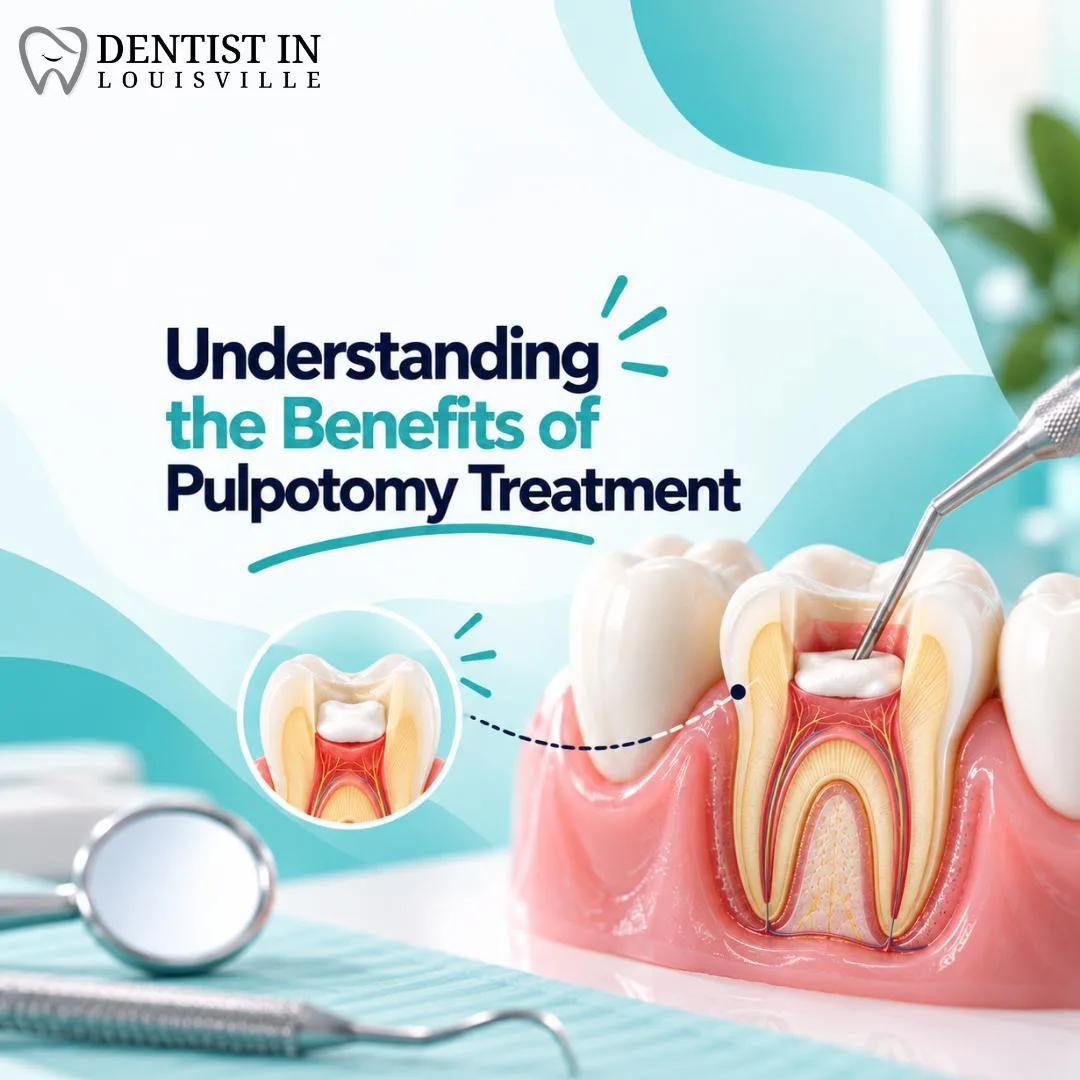
Moving from overall oral health to specific care, the focus now shifts to pulpotomy. This dental procedure removes infected pulp tissue from a child’s tooth while keeping as much healthy pulp as possible.
Dentists use it in pediatric dentistry to save baby teeth that still have healthy roots. The treatment keeps the tooth alive, with normal blood flow and sensation, and helps with pain relief.
Recent studies show a 99% clinical success rate for pulpotomy in primary molars with various pulp exposures, higher than the 88% success for pulpectomy.
Clinicians recommend pulpotomy when decay or trauma affects only the crown and the root remains healthy. The procedure protects the tooth from further damage and reduces the chance of extraction.
It also slows cavity progression deeper into the tooth and lowers the need for a root canal later. Families looking for tooth preservation often choose this tooth-restoration option.
This dental procedure offers big advantages for kids with tooth decay.
Pulpotomy treatment plays a vital role in preserving the natural tooth. This dental procedure removes infected pulp tissue from a child’s tooth, while keeping as much healthy pulp as possible.
Dentists recommend performing this treatment when decay or trauma affects only the crown of the tooth, leaving the root intact and healthy. By doing so, they help maintain blood flow and sensation to ensure that the tooth remains alive and functional.
Parents often feel relieved after understanding how effective pulpotomy can be for their child's oral health. Studies show that pulpotomy has a clinical success rate of 99% compared to 88% for pulpectomy in primary molars with carious pulp exposure.
Choosing pulpotomy over extraction offers children better chances of maintaining their natural dentition. Saving these baby teeth allows for proper development of permanent ones down the road, supporting overall dental health as kids grow old.
Preserving the natural tooth leads to quick pain relief. A pulpotomy removes infected pulp tissue, which eases discomfort almost immediately. Children benefit significantly from this procedure as it allows their affected teeth to stay alive and vital, maintaining blood flow and sensation. This immediate response alleviates the pressure of inflammation caused by decay or trauma.
Studies reveal a high success rate for pulpotomies, reaching 99% in primary molars with various pulp exposures. By addressing pulpal damage promptly, dentists save the tooth and prevent more extensive treatment options later on. This means less time worrying about further procedures and more time enjoying those smiles!
A pulpotomy helps stop the spread of infection from a child's tooth. The procedure removes only the infected pulp tissue while keeping healthy parts intact. This approach protects the tooth's vital structures, ensuring blood flow and sensation remain.
Children benefit greatly from this treatment because it prevents decay from going deeper into the tooth.
In recent studies, pulpotomies showed a 99% clinical success rate in primary molars with carious pulp exposure. By treating dental issues early, parents can avoid more invasive procedures down the line.
A successful pulpotomy minimizes discomfort and increases oral health for young patients; therefore, it's an excellent choice when a crown is affected but roots are still healthy.
Pulpotomy offers a wallet-friendly solution for dental care. This procedure serves as a cost-effective alternative to other treatments, like full root canals or tooth extractions. By preserving the tooth and treating only the affected pulp tissue, pulpotomy reduces overall treatment costs.
Recent studies show that pulpotomy achieves higher success rates—99% compared to 88% for pulpectomy in primary molars with various pulp exposures.
Parents appreciate this approach in pediatric dentistry since it helps maintain their child's natural teeth while avoiding more expensive procedures later on. Inflammation management and quick pain relief make this procedure an even wiser choice for families dealing with tooth decay in children.
Opting for a pulpotomy can help prevent deeper cavities and keep dental expenses manageable over time.
A pulpotomy works wonders for kids when decay or trauma affects only the crown of a tooth. This procedure shines in situations where the root remains healthy and intact. It helps protect against further damage while preserving the natural tooth. Many dentists recommend it for primary teeth with pulp involvement, especially in young patients.
Recent studies show that pulpotomies boast higher success rates than other methods, such as pulpectomy. With a 99% success rate compared to 88%, parents can breathe easier knowing their child's oral health is in good hands.
The aim is to alleviate discomfort while maintaining vital blood flow and sensation within the affected tooth, ensuring its longevity and function during those important growing years.
The pulpotomy procedure is straightforward. It helps save a child's tooth while relieving pain and preventing further damage.
Pulpotomy treatment can offer great peace of mind for both parents and children alike by preserving baby teeth while addressing issues like decay or trauma promptly and effectively.
Recovery after a pulpotomy is crucial for effective healing. Following these tips will help maintain oral health and ensure the best outcomes.
Pulpotomy treatment involves removing the infected part of a tooth's pulp. It helps save teeth that are damaged but still have healthy roots.
For kids, pulpotomy can relieve pain and prevent further damage to their teeth. It allows them to keep their natural teeth, which is important for eating and speaking.
Most patients feel little discomfort during the procedure. Dentists use local anesthesia to numb the area, making it as painless as possible.
Recovery usually happens quickly; many children return to normal activities within a day or two. Regular check-ups help ensure everything heals well and stays healthy.
Ready to talk to a dentist in Louisville, KY? Learn more about pulpotomy treatment in Louisville, pediatric dentistry, root canal treatment and tooth decay treatment, or get in touch below.
Tell us a little about what you need — we'll be in touch shortly.
6826 Bardstown Road, Louisville, Kentucky, 40291, USA

Hi! I'm Tooth fairy! Your AI Assistant Ask me anything