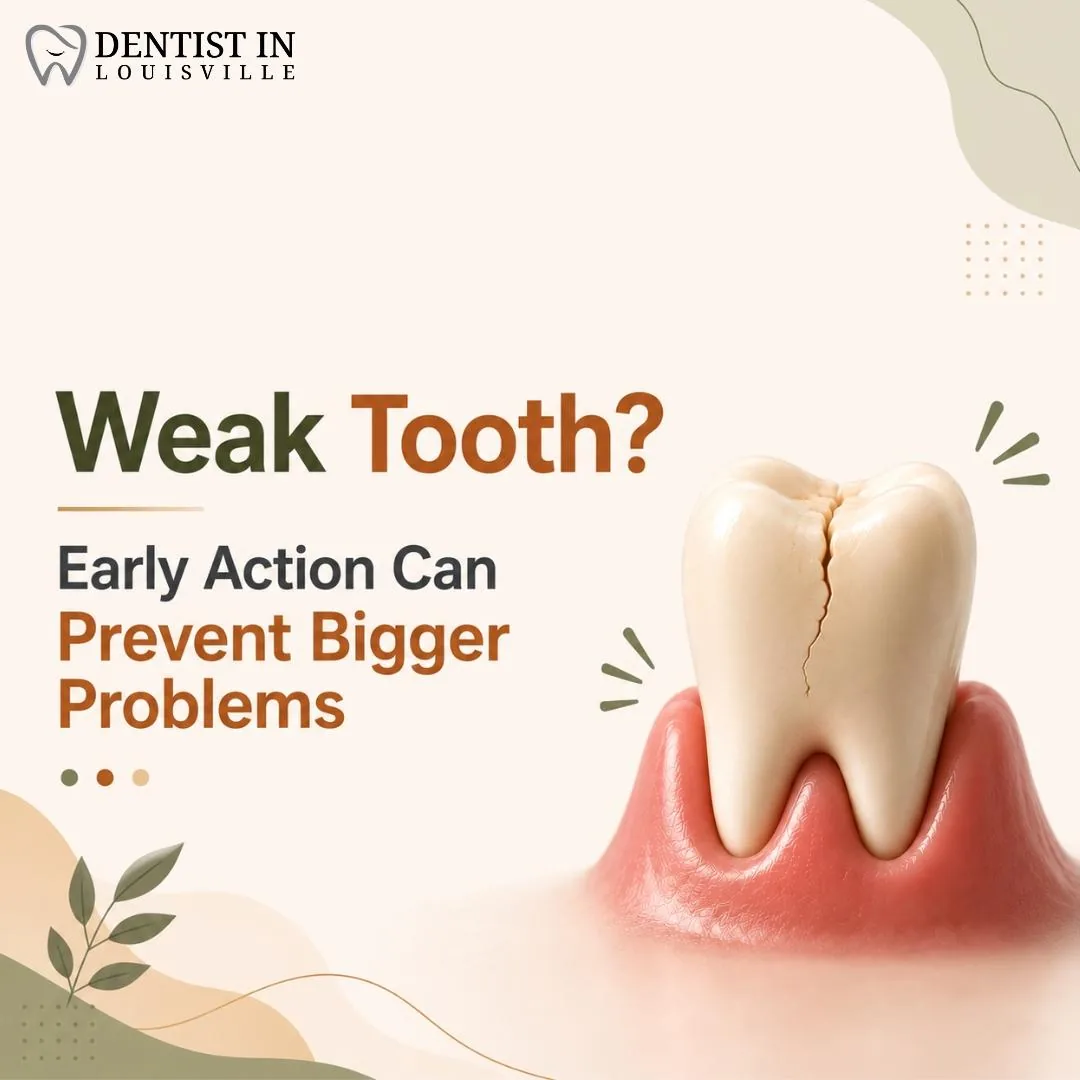
Weak tooth troubles often start as a small ache or sudden sensitivity. Many people feel pain with cold drinks or sweets. Parents and adults worry about cavities, enamel loss, and tooth decay.
One fact is clear, fluoride can stop or even reverse early tooth decay. Here you will know how to spot weak enamel, seek prompt dental treatment, and use fluoride, sealants, and good oral hygiene.
Here you will know about prevention, early intervention, orthodontics, and simple diet and habit changes. You will also know how to protect natural teeth and avoid bigger dental treatment.
Teeth weaken due to several factors. Enamel erosion, trauma, and poor oral hygiene can cause visible damage. Early signs include sensitivity, pain, and discoloration that should not be ignored. Cracks in the teeth also signal potential issues ahead.
Enamel erosion occurs when acids damage the protective layer of teeth. Poor oral hygiene contributes to this problem, allowing plaque and bacteria to thrive. Teeth can weaken due to grinding or clenching, a common habit that increases wear on enamel.
Nutrition plays a vital role in dental health; diets high in sugar can lead to tooth decay. Genetics also influence how strong or weak tooth enamel is from birth. Trauma, such as injury or impact, can chip or crack teeth, making them more susceptible to erosion and cavities.
Weak enamel provides less protection for teeth against acid damage. As acids penetrate deeper layers, they create conditions for cavities over time. Once lost, tooth enamel cannot regenerate naturally.
Early treatment of weak enamel remains crucial for long-term dental health and prevention of bigger problems down the road. Parents should recognize early signs of weak enamel in children for timely intervention and better outcomes for developing teeth.
Tooth sensitivity can indicate weak enamel. Many people experience discomfort when consuming hot or cold foods. Pain may also arise from cavities developing beneath the surface. Cracks in teeth signal a loss of strength, often due to erosion.
Discoloration serves as another warning sign of weakening teeth. Stains can appear on the surface, making teeth look unhealthy.
Weak enamel provides less protection against acid attacks from food and drinks. These acid exposures increase the risk for further decay and cavities over time. Early signs such as sensitivity, pain, cracks, and discoloration demand attention for dental health preservation.
Parents should recognize these early signs in their children’s teeth to enable timely intervention that protects healthy development.
Early intervention can help maintain strong teeth. Regular dental care plays a crucial role in preventing further damage and promoting overall oral health.
Prompt dental care plays a crucial role in maintaining healthy teeth. Early treatment of weak tooth enamel can prevent further deterioration. Remineralization treatments, like fluoride applications, help reverse or stop early-stage tooth decay.
This mineral strengthens enamel and protects against acid damage. Making dietary changes is also essential for good oral health. Eating fewer sugary snacks reduces the risk of cavities and supports gum health.
Using custom appliances can protect weak teeth from grinding and trauma. These devices create a barrier that minimizes damage during activities like sports or sleep. Adopting protective habits, such as regular brushing and flossing, keeps teeth strong and reduces sensitivity over time. Parents should recognize signs of hypoplasia in children to ensure timely intervention for long-lasting dental health.
Weak tooth enamel, hypoplasia, and tooth decay can make a tooth weak in childhood. Cavities and tooth sensitivity often follow.
Early prevention stops small problems from getting worse. Preventive care uses fluoride and sealants to protect enamel and lower cavities. It keeps dental health stronger.
Intervention is needed when pain, large cavities, or infection appear. A dentist can do restoration or refer you to orthodontics if needed.
Yes, fluoride strengthens tooth enamel and makes teeth more resistant. Sealants coat grooves and block food that causes cavities. Both are key parts of preventive care.
Keep regular checkups and clean teeth twice a day. Use fluoride toothpaste and ask about sealants for kids. Treat tooth sensitivity early and get restoration when a tooth breaks or decays.
Ready to talk to a dentist in Louisville, KY?
Tell us a little about what you need — we'll be in touch shortly.
6826 Bardstown Road, Louisville, Kentucky, 40291, USA
Hi! I'm Tooth fairy! Your AI Assistant Ask me anything